Coffee
Don't Buy That Coffee Maker: See This Unexpected $50 Alternative First
Author:Tooba
|
Released:January 12, 2026
Picture this. It is 7:00 AM. You walk into the kitchen, press a button on your expensive coffee machine, and wait. It makes noise, does its thing, fills your mug. First sip, and… something’s off. Too bitter, or weirdly sour. Just not good.
A lot of people expect fancy machines to match café coffee. For a while, it feels exciting. Then the results stay average, and the machine ends up sitting there, barely used.
It is easy to blame the machine and think you need a better one. But most of the time, price is not the problem. These machines simply don’t let you control what actually affects taste.
Why Most Coffee Machines Fail to Deliver
If a simple manual brewer can outperform an expensive machine, something is clearly off. The issue is not just price. It is how these machines handle the basics. Once you look inside the process, the weak points become obvious.
1. Unstable Water Temperature
Good coffee depends on heat. Most beans extract best between 195 and 205°F. Sounds simple, but many machines struggle here.
The water might start too cool, then spike hotter than needed, then drop again halfway through. It is not steady. And that inconsistency shows up in the cup. Too cool, and the coffee tastes sour or thin. Too hot, and it turns harsh.
2. Uneven Extraction
Look at how a typical drip machine pours water. It usually hits the center of the grounds and stays there. Water naturally follows the easiest path, so it pushes straight down and forms a channel.
The middle gets flooded and over-extracted, while the edges barely get touched. Some grounds give too much, others give almost nothing. The result is messy. Bitter, hollow, sometimes both at once.
3. No Real Control
Coffee is not one-size-fits-all. A light roast behaves very differently from a dark roast. Even beans from different regions need small adjustments.
Grind size, water amount, pouring speed, all of it matters. But most machines lock these variables in place. You press a button and accept whatever it gives you. No way to slow it down, no way to tweak the flow. Convenient, yes. Flexible, not really.
That is why spending more does not guarantee better coffee.
The 3 True Keys to Coffee Flavor
Strip away the screens and buttons, and coffee brewing is pretty simple. You are just using water to pull flavor out of ground beans. But the details matter more than most machines let you think. Get a few basics right, and the cup improves fast.
Grind Size
Think of it like cutting food. Big chunks take longer to release flavor, small pieces give it up quickly. Coffee works the same way.
Coarse grounds extract slowly and can taste weak or a bit sour if rushed. Very fine grounds extract fast, sometimes too fast, which can turn bitter. Somewhere in the middle is where balance shows up. Not an exact science every time, more like adjusting by feel.
Water Temperature
Heat drives everything. Around 195 to 205°F is where coffee tends to taste its best. Lower than that, and the brew feels flat or underdeveloped.
Too hot, close to boiling, and it starts pulling out rough, drying flavors you do not want. The tricky part is consistency. It is not just hitting the right number once, it is holding it steady while brewing.
Brew Time
This is how long water stays in contact with the coffee. Short time, and you mostly get the brighter, sharper notes. Let it go longer, and deeper flavors come through, but push too far and bitterness takes over. It is a balance, not a fixed rule.
Control these three, even loosely, and you can make a solid cup without relying on an expensive machine.
The Better Options Under $50
This is where things get interesting. Instead of looking for a smarter machine, you switch to simpler tools. No screens, no presets. Just control. And in most cases, better coffee. These brewers are inexpensive, easy to keep around, and each one has its own personality.
1. The AeroPress
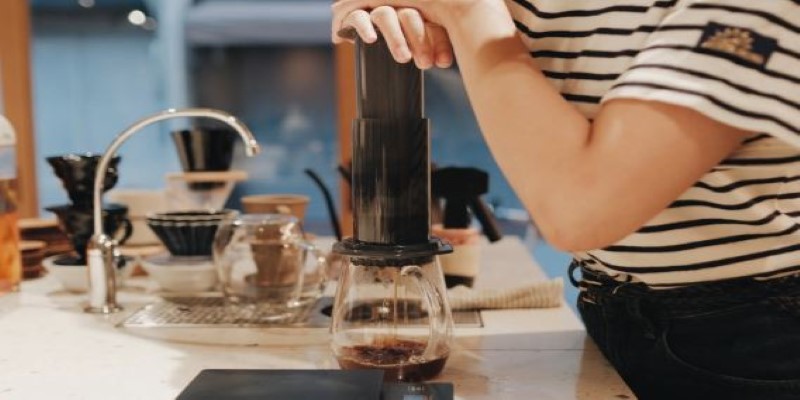
The AeroPress looks simple, almost like a plastic tube with a plunger. But it is surprisingly versatile. You add coffee, pour in hot water, stir briefly, then press. That pressure pushes the water through the grounds and a small filter, giving you a clean, smooth cup.
It is fast. From start to finish, usually under two minutes. The flavor sits somewhere between espresso and drip coffee, not too heavy, not too thin. You can tweak small things like grind size or brew time and actually taste the difference, which makes it a great learning tool too.
Cleaning is part of the appeal. Twist off the cap, press the compacted coffee puck into the trash, rinse. Done.
Best for people who want good coffee without turning it into a whole ritual.
2. The French Press
The French Press is about as straightforward as it gets. Coffee and water go into the same container. You wait a few minutes, then press down the metal filter to separate the grounds.
What stands out here is the texture. Because there is no paper filter, the natural oils stay in the cup. The result feels thicker, heavier, sometimes almost creamy. It also means a bit of fine sediment at the bottom, which some people actually enjoy.
Timing matters more than it seems. Let it sit too long and it turns bitter. Too short, and it feels weak. But once you find your rhythm, it becomes second nature.
A good fit if you like bold, full-bodied coffee and do not mind a slightly rustic finish.
3. Pour Over
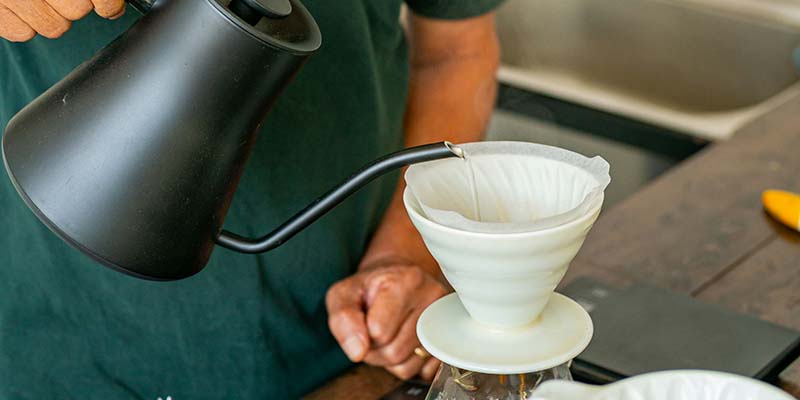
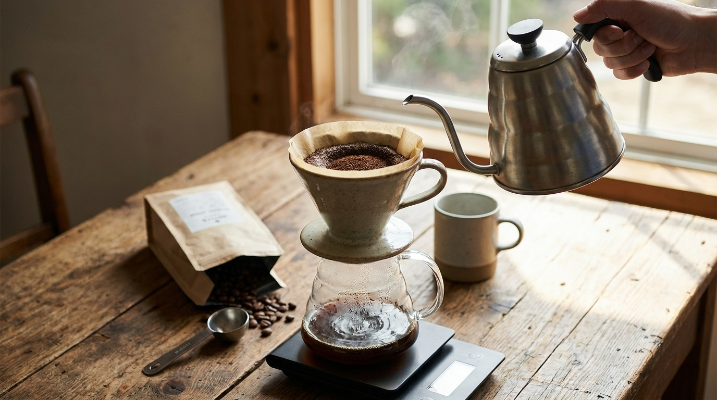
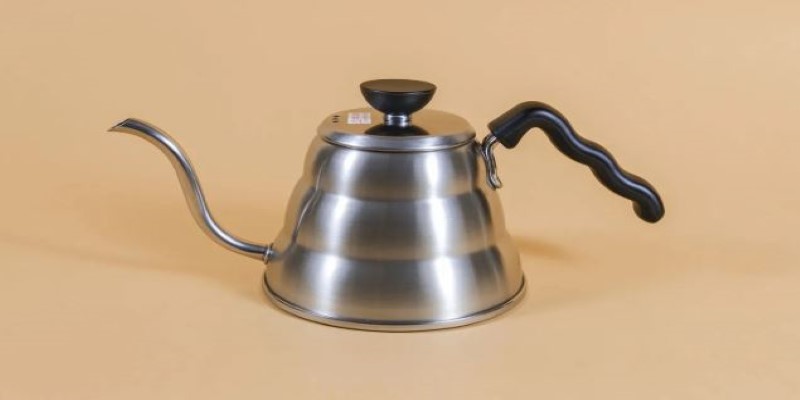
Pouring over, especially with something like the Hario V60, is slower and more hands-on. You place a paper filter in the cone, add coffee, then pour hot water in stages. First, a small bloom to release gas, then steady pours to extract flavor evenly.
It asks for attention. The way you pour, the speed, even how you move the kettle, all of it affects the result. That might sound like a lot, but it is also the reason people stick with it. You can highlight subtle notes that get lost in other methods. Fruitiness, floral hints, lighter flavors.
The cup itself is clean and bright. No grit, no heaviness. Just clarity.
Better for slower mornings, when you do not mind taking a few extra minutes.
4. The Moka Pot
The Moka Pot sits on your stove and does its job with heat and pressure. Water in the bottom chamber heats up, builds pressure, and moves through the coffee grounds into the top chamber.
The result is strong. Not quite espresso, but close enough for most home setups. It has that concentrated, punchy flavor that works well with milk, so it is often used for homemade lattes or cappuccinos.
It takes a bit of attention the first few times. Heat too high, and the coffee can taste burnt. But once you get used to it, the process becomes predictable.
Solid choice if you want intensity without buying a full espresso machine.
How to Choose Your Perfect Brewer
Forget spec sheets for a moment. What actually matters is how you move through your morning. Half asleep, in a rush, or maybe slow and quiet with a bit of time. The right brewer should fit into that, not fight it.
If you just want coffee fast and do not want to think too much, the AeroPress is hard to beat. It is quick, forgiving, and still gives you room to adjust things later if you feel like it.
If your idea of good coffee is something thick and strong, almost chewy in texture, the French Press makes more sense. It leans heavily. Not the cleanest cup, but that is part of the appeal.
Some people actually enjoy the process itself. Pouring slowly, watching the bloom, dialing things in over time. That is where a pour-over setup like the Hario V60 comes in. It takes a bit of patience, and yes, the first few tries might feel off. But once it clicks, it becomes a small ritual you look forward to.
And then there is the Moka Pot. Not quite espresso, but close enough for most mornings. Strong, concentrated, good with milk. If you like lattes but do not want a full machine sitting on your counter, this is a practical middle ground.
No single best option. Just different trade-offs. Pick the one that matches how you actually live, not how you think you should.
Simple Beginner Advice That Actually Works
You do not need a complicated setup to make better coffee. A few small habits go a long way. Nothing fancy here, just things that consistently make a difference.
Use Fresh Coffee Beans
Coffee ages quickly. Those supermarket bags with only an expiration date do not tell you much. What you want is a roast date. Ideally, use the beans within a couple of weeks of that date.
Not a strict rule, but a good range. And once you grind them, the clock speeds up. Flavor fades fast. Grinding right before brewing changes everything, even if the rest of your setup is basic.
Control Water Temperature, Roughly
You do not need lab precision. Just boil water, then let it sit for about a minute with the lid off. That usually lands you in the right zone without overthinking it. Too hot and the coffee tastes harsh. Too cool and it feels flat. You are aiming for that middle ground where sweetness shows up.
Use a Consistent Ratio
Scoops seem convenient, but they are not reliable. Different beans, different roast levels, different densities. The same scoop can vary more than you expect. A simple kitchen scale fixes that. Start with a 1 to 15 ratio.
For example, 20 grams of coffee to 300 grams of water. From there, adjust slightly based on taste. Stronger, use a bit more coffee. Too heavy, dial it back.
These are small shifts. But they tend to matter more than upgrading equipment.
When You Actually Should Buy an Electric Machine
Manual brewing is great, but it is not always practical. There are situations where an electric machine simply makes more sense, and it is worth being honest about that.
If you are brewing for several people at once, manual methods can get tedious fast. Making four cups back to back, especially in the morning rush, is not fun. A decent automatic drip machine handles volume without much effort.
If your mornings are chaotic, that matters too. Sometimes you do not have the time or attention to stand there pouring water in circles. You just need coffee to happen while you get ready. In that case, automation helps.
And for some people, coffee is just fuel. No interest in dialing in flavors or noticing subtle notes. Just something hot, maybe with milk or sugar. Nothing wrong with that. A basic pod machine or drip brewer fits that need perfectly.
It really comes down to priorities. Control and flavor on one side, convenience on the other. Most people sit somewhere in between, and your setup can reflect that.
You May Like
-

-
Coffee
Types of Coffee Beans Explained Arabica, Robusta, Flavor Profiles, and Brewing Differences
-
Coffee
Coffee Syrups That Make Every Cup Taste Better
-
Guide
How To Steam Milk Like A Pro: Get That Velvety Cappuccino Foam Tonight
-
Coffee
Unlock Pure Flavor: A Barista's Guide to the Best Manual Coffee Grinder
-
Recipe
The Secret To Starbucks Cold Foam: Make It At Home With No Special Tool